How to Choose the Right Metal Rust Removal in Houston
Why Rust Is a Serious Problem for Metal Surfaces
Living in Houston means dealing with high humidity, sudden rainstorms, and salty air near the coast. These conditions accelerate oxidation on steel gates, wrought-iron fences, outdoor furniture, and even industrial equipment. I have seen too many homeowners and business operators wait too long before addressing rust, and by then the damage goes deep. Rust is not just an eyesore. It compromises the structural integrity of metal, turning a solid piece into a flaky, brittle mess. That is why professional metal rust removal Houston services matter more than most people realize.
The key is to catch corrosion early and use the right method for the specific metal and its environment. A light surface rust on a garden trellis calls for a different approach than heavy scaling on a commercial loading dock. Over the years I have worked with all kinds of metal surfaces, from delicate aluminum trim to thick steel beams, and I have learned that there is no single best way to remove rust. The choice depends on the metal thickness, the extent of oxidation, and what kind of protective coating you plan to apply afterward.
Understanding Rust and Corrosion
Rust is simply iron oxide formed when iron or steel reacts with oxygen and moisture. That orange-brown powder we all recognize is just the beginning. Beneath the visible layer, corrosion can pit the metal, creating tiny craters that weaken it. In Houston’s climate, rust can penetrate a quarter-inch of steel in just a few years if left untreated. That is why surface preparation is so critical before any protective coating goes on. If you skip proper rust removal, you are just painting over a problem that will return.
Mechanical Methods: Abrasive Blasting and Sandblasting
For heavy rust, nothing beats abrasive blasting. This process uses compressed air to propel a stream of abrasive material against the metal surface. Sandblasting is the most common form, but media blasting can use crushed glass, walnut shells, or baking soda for more delicate surfaces. In my experience, sandblasting works great for thick steel and heavy structural components. It strips rust, old paint, and mill scale quickly, leaving a clean surface ready for a rust inhibitor or metal primer.
Abrasive blasting is also the best way to prepare metal for powder coating. Powder coating requires a perfectly clean, slightly roughened surface so the coating can bond mechanically. If you skip that step, the powder coating will peel off within months. That is why many Houston shops that offer powder coating also provide abrasive blasting as part of the package. It is a one-stop process: blast off the rust, apply a rust converter or rust inhibitor, then apply the powder coating or industrial coating.
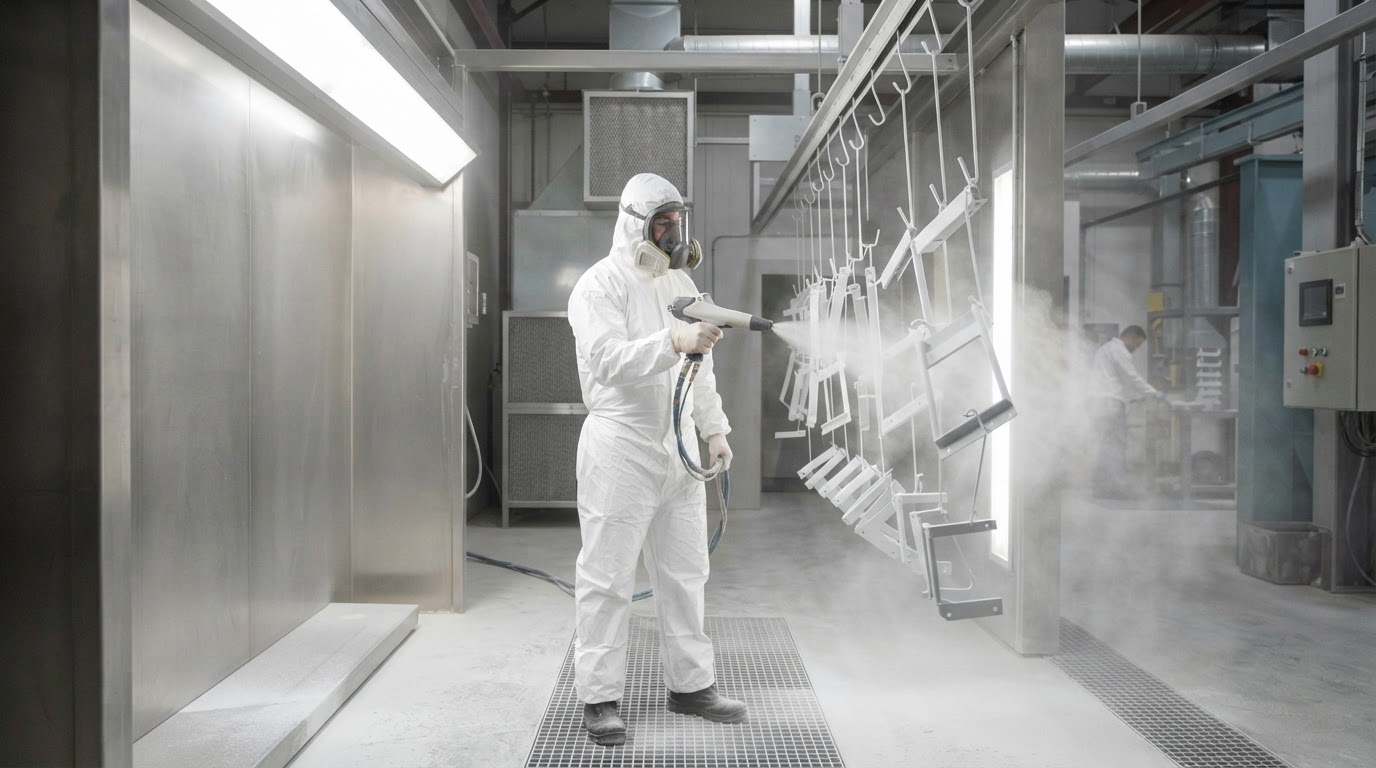
One trade-off with sandblasting is the dust. It creates a lot of fine particles, so it is not ideal for indoor work unless you have proper containment. For smaller jobs or areas near sensitive equipment, media blasting with a softer abrasive gives you more control. I have used walnut shells to clean old wrought-iron railings without damaging the underlying metal. It takes longer, but the results are worth it.
Chemical Rust Removers and Rust Converters
Not every situation calls for blasting. Sometimes you need a chemical rust remover that you can apply with a brush or spray. These products typically contain phosphoric acid, which reacts with rust to form a stable, dark-colored compound. Phosphoric acid is the active ingredient in many commercial rust removers. It converts iron oxide into iron phosphate, which acts as a rust inhibitor and a good base for paint. This method is ideal for intricate parts like ornate gates or cast-iron furniture where blasting might miss tight corners.
Rust converter is a related product that works in a similar way but leaves a protective coating behind. It does not remove the rust completely; instead, it neutralizes it and forms a barrier. I have used rust converter on heavy equipment frames that could not be moved to a blasting booth. It is a practical solution when you cannot afford the downtime or the mess of abrasive blasting. However, you have to be realistic. A rust converter only works if the rust is not too deep. If the metal is severely pitted, the converter will not fill those pits. In that case, you need mechanical removal first.
Hand Tools for Small Jobs
For small spots or occasional maintenance, hand tools work fine. A wire brush or steel wool can remove loose rust from a garden tool or a small patch on a fence. Steel wool is especially good for curved surfaces where a brush cannot reach. But steel wool leaves behind tiny fibers that can rust themselves, so you must clean the surface thoroughly afterward. A wire brush is more aggressive and works well on flat areas. For really stubborn rust, a handheld drill with a wire cup brush speeds up the job considerably.
The problem with hand tools is consistency. You might miss some rust, and you cannot get into deep pits. That is why I only recommend them for light surface rust on non-critical items. For anything structural or visible, you want a method that removes all the corrosion down to bare metal.
Why Surface Preparation Matters for Powder Coating
If you are planning to have a metal piece powder coated, the surface preparation step is non-negotiable. Powder coating is a dry finishing process that applies a protective finish electrostatically and then cures it under heat. The coating bonds to the metal mechanically and chemically. Any rust, oil, or old paint left on the surface will create a weak bond, and the coating will chip or peel. I have seen beautiful powder coating jobs fail because the metal was only lightly sanded before coating.
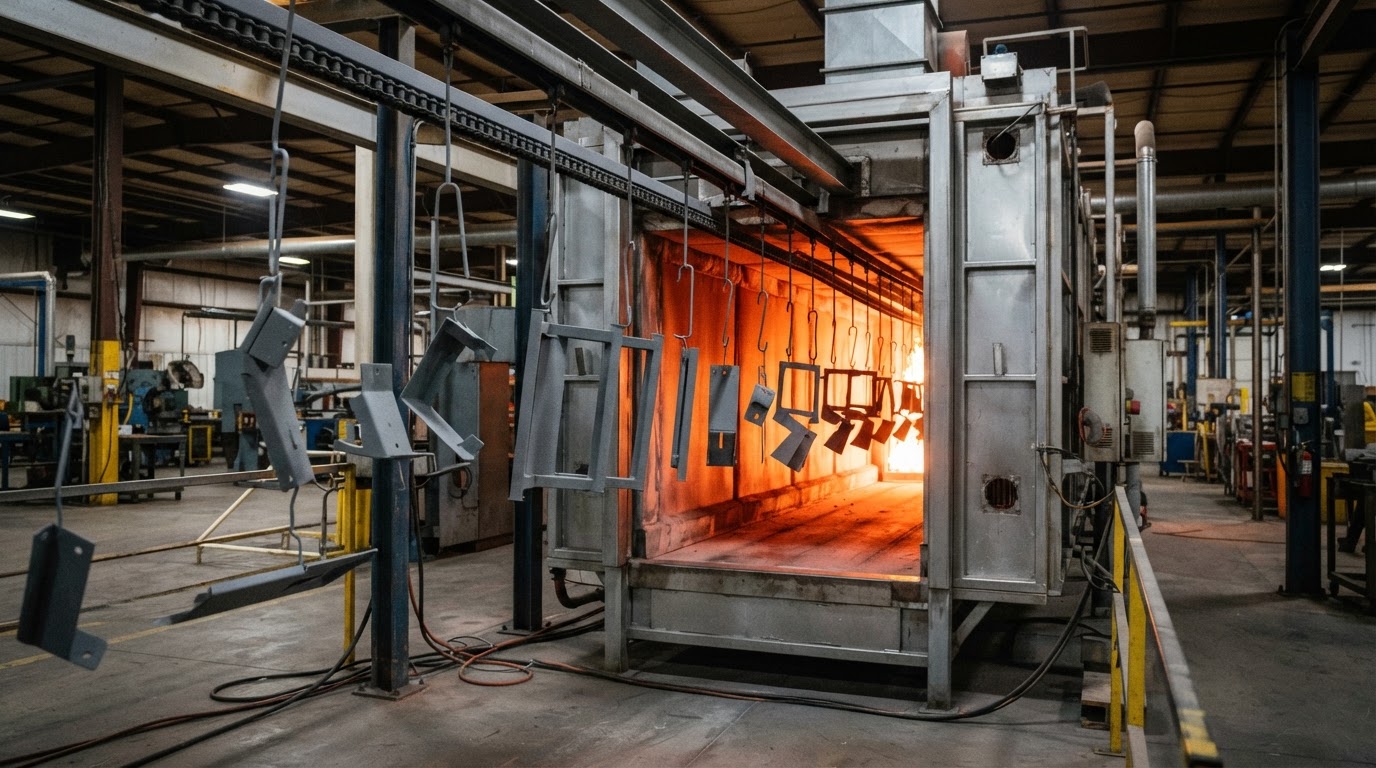
The best approach is to start with abrasive blasting to remove all rust and mill scale. Then apply a metal primer or a rust inhibitor if the metal will be exposed before coating. Some shops also use a chemical rust remover after blasting to ensure any microscopic rust is neutralized. The goal is a perfectly clean, slightly rough surface that gives the powder coating something to grip.
In Houston, where humidity is high, you have to move fast after blasting. Bare steel starts to oxidize within hours. That is why professional shops often combine metal rust removal Houston services with coating application on the same day. They blast, clean, and coat in one continuous workflow. That is the right way to do it.
When to Call a Professional
Some rust jobs are DIY-friendly. A small piece of furniture or a single gate panel can be handled with a wire brush and a can of rust remover. But for large projects, complex shapes, or heavy corrosion, hiring a professional is worth the cost. Professional abrasive blasting equipment removes rust far more thoroughly than anything you can do by hand. And the coating they apply - whether it is powder coating, an industrial coating, or a liquid paint - will last years longer than a rattle-can job.
Another reason to go pro is safety. Sandblasting produces silica dust that is hazardous to breathe. Chemical rust removers contain acids that can burn skin and damage surrounding materials. A professional knows how to set up containment, use the right personal protective equipment, and dispose of waste properly. That peace of mind alone is worth the expense.
Rust Prevention After Removal
Once the rust is gone, you need to keep it from coming back. A good rust inhibitor or metal primer is the first line of defense. For outdoor items in Houston, I recommend a high-quality industrial coating or powder coating. These finishes are tough, UV-resistant, and can withstand the humidity. You can also apply a clear protective coating over bare metal if you want to keep the metallic look.
Regular maintenance helps too. Wash metal surfaces occasionally to remove salt and dirt. Touch up any scratches or chips in the coating immediately. A small scratch can let moisture in, and rust will start again under the coating. A wire brush and a dab of rust inhibitor can stop it before it spreads.
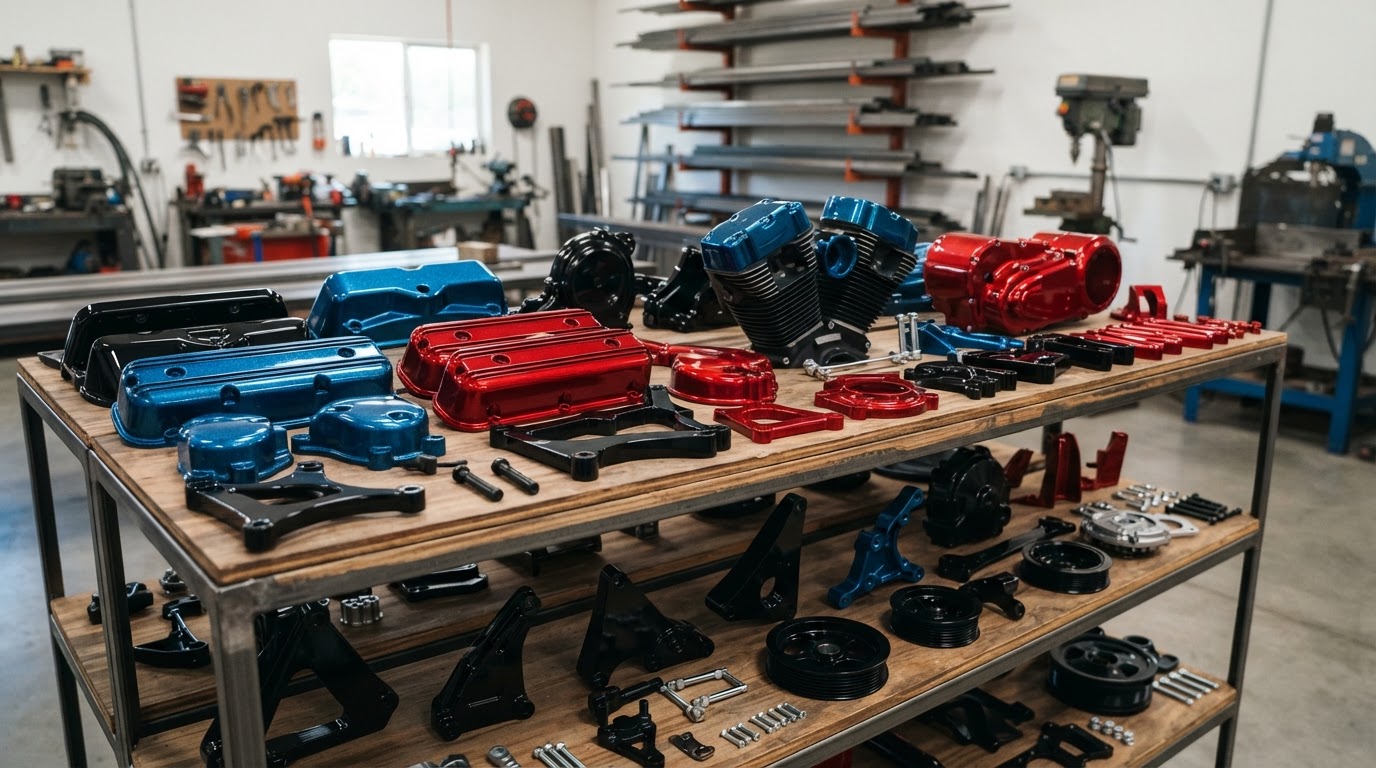
One more tip: if you have metal that stays wet or is buried in the ground, consider using a rust converter before coating. It adds an extra layer of protection that can double the lifespan of the finish. I have used that trick on fence posts and gate hinges, and it makes a real difference.
Final Thoughts on Metal Rust Removal in Houston
Rust is a fact of life for anyone who owns metal property in Houston. The climate is simply not kind to iron and steel. But with the right approach, you can keep your metal looking good and functioning well for decades. Whether you choose abrasive blasting, chemical rust removers, or hand tools, the key is to remove all the corrosion before applying any protective coating. And if you are planning to powder coat, do not skip the surface prep. It makes or breaks the job.
If you are looking for reliable metal rust removal Houston services, look for a shop that offers both abrasive blasting and powder coating. That way you get a complete solution from one team. They understand how the two processes work together, and they will make sure your metal is ready for a long-lasting protective finish. Rust does not have to win. With the right preparation and the right coating, you can beat it every time.